
AI Agents Are Now a Reality, Not Science Fiction: Meta Muse, OpenAI Dots and What They Mean for You
In September 2026 Meta launched Muse and OpenAI launched Dots — personal AI agents that shop, email and complete tasks for millions of people. What they can do, how to use them, and the opportunity for businesses that move early.
By HololTeck Editorial

Key takeaways
- 01On September 8, 2026 Meta launched Muse, a personal AI agent that can buy goods, reply to emails and complete authorised tasks — free for most uses.
- 02On September 29–30, 2026 OpenAI answered at DevDay with Dots, "always-on" agents for Pro and Business Premium users with 4,000+ app integrations.
- 03Agents are still imperfect: early reviewers report bugs, so human approval on payments and sensitive actions remains essential.
- 04Businesses that make their services, data and booking flows readable by agents now will be found first as customers start delegating tasks.
From science fiction to your phone
For years, an assistant that could actually do things on your behalf — not just chat — sounded like science fiction. In autumn 2026 that changed. Two of the largest technology companies released personal AI agents to mainstream users within three weeks of each other.
On September 8, 2026, Meta announced Muse, a personal agent available through a dedicated app. Users talk to it like a chatbot, can give it their own name, and authorise it to buy goods online, respond to emails and complete other tasks. Meta made it free for most uses, with two premium tiers for power users (WSJ).
On September 29, 2026, at its DevDay conference, OpenAI introduced Dots, which it describes as "always-on" agents built to handle everything. Dots launched for Pro and Business Premium subscribers, connect to more than 4,000 apps, and can do proactive research on your tasks even when you are not using them (CNBC, Convly, Scientific American).
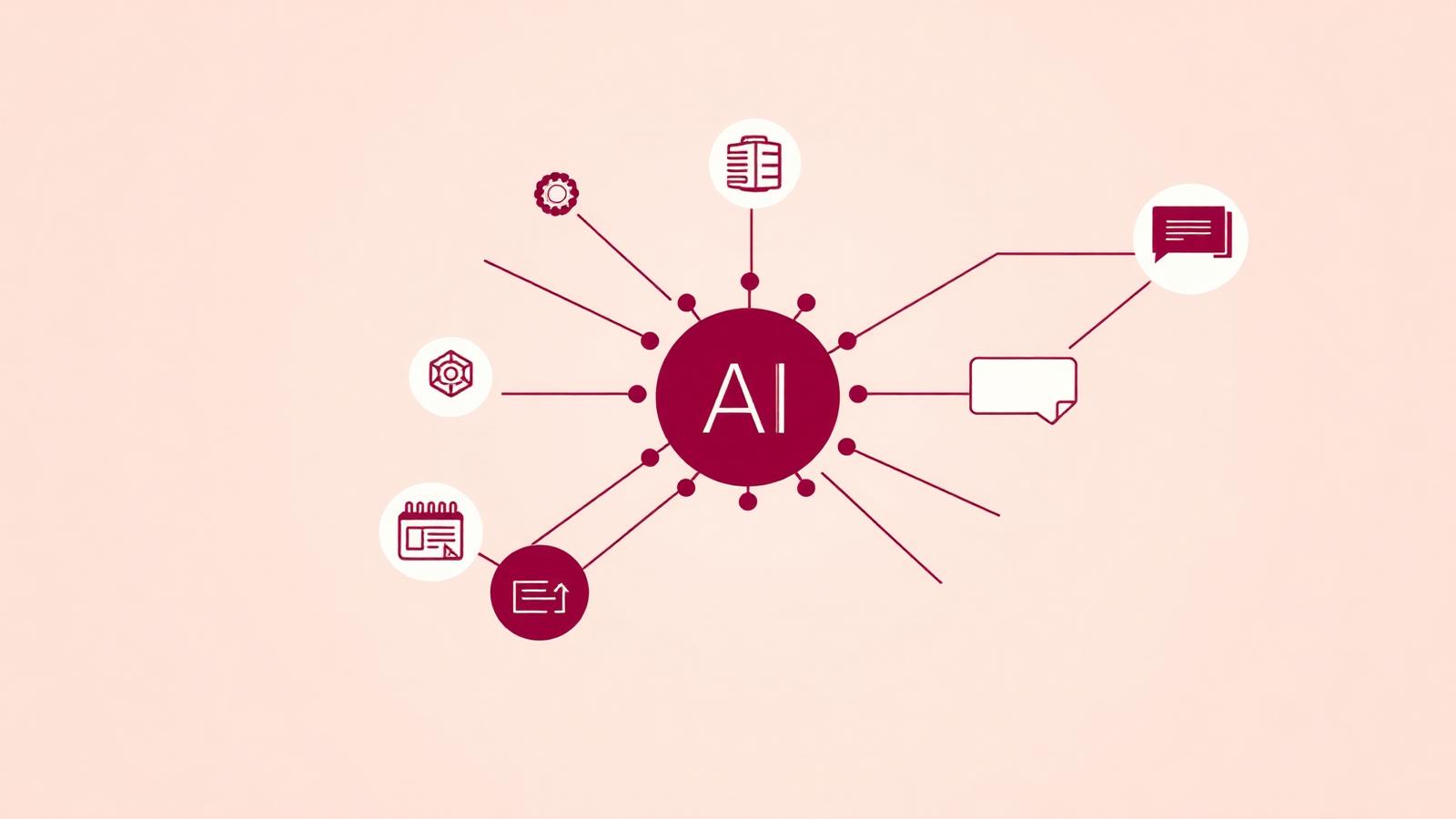
How frontier models made agents possible
Agents depend on models that can plan, use tools and operate a computer over many steps. OpenAI positioned its new GPT-6.1 Sol model around "agentic coding, computer use and professional work" with a context window of more than one million tokens, and brought GPT-6 to the 1.2 billion people who use ChatGPT weekly on October 7, 2026 (Convly, OpenAI).
Muse runs on its own virtual "computer" so it can fill out forms and make purchases. Dots work in a controllable virtual browser. In plain terms: the model reads the screen, decides the next step, and acts — then reports back for approval.
What these agents can do for you today
Personal errands: grocery lists, shopping, comparing products and booking reservations or travel.
Inbox and admin: organising and answering emails, filling out forms, paying bills and following up on requests.
Research: gathering options, summarising information and preparing decisions you then confirm.
Reality check: reviewers at WIRED found Dots "a bit buggy" in early use — it mistranscribed requests and could not solve a captcha. Agents are useful now, but they still need supervision.

How to start using them safely
1. Start with low-risk tasks such as research, lists and drafting emails before giving access to payments.
2. Grant the minimum access: connect only the accounts the task needs, and review permissions regularly.
3. Require confirmation before purchases, payments or messages sent in your name.
4. Check availability: Dots are not offered in the European Economic Area, Switzerland or the UK due to regulation, and some tiers are paid.
The opportunity for businesses that join early
When customers delegate tasks to agents, the agent — not the person — visits your website, reads your prices and books your appointment. Businesses whose information is clear, structured and connected will be chosen; those hidden behind phone calls and PDFs will be skipped.
Early movers can: publish agent-readable service and pricing information; expose booking, loyalty and ordering through APIs and MCP connectors; deploy their own customer-service agents to answer the agents that call on behalf of customers; and connect internal data so staff agents can act on it.
This is exactly the work of forward deployed engineering. HololTeck helps businesses in Qatar and the GCC connect their systems, deploy agents into operations and become discoverable by the new generation of AI assistants.
References & further reading
Authoritative research and industry sources that informed this article.
- [1]Meta Launches a Personal AI Agent Designed to Be Easy to Use (Sept 8, 2026)
The Wall Street Journal
- [2]
- [3]
- [4]
- [5]
- [6]I gave Meta's Muse and OpenAI's Dots my passwords for a week (Oct 9, 2026)
Scientific American
Frequently asked
What is Meta Muse?
A personal AI agent Meta launched on September 8, 2026. It works through a dedicated app and can shop online, reply to emails and complete tasks you authorise. It is free for most uses.
What are OpenAI Dots?
Always-on AI agents OpenAI launched at DevDay on September 29, 2026, for Pro and Business Premium users, with more than 4,000 app integrations.
Are AI agents safe to use?
They are useful but still imperfect. Start with low-risk tasks, give minimal access and require confirmation before payments or messages.
How can my business prepare for AI agents?
Make your services, prices and booking readable by agents, connect your systems through APIs and MCP, and deploy your own customer-service agents. HololTeck can help you do this.
Related articles in AI Integration
What Is AI Integration? A Complete Guide for Business Leaders in 2026
AI integration is no longer a science project — it's the operating layer that decides which companies compound and which stall. This guide breaks down what it actually means, how it works, and how to start.
12 min readAI IntegrationAI for Small Business: A Practical Playbook for Owners Who Do Not Have a CTO
You do not need a data science team or a seven-figure budget to put AI to work. This playbook is written for owners of businesses under 100 people who want real results this quarter.
11 min readAI IntegrationAI ROI Frameworks: How to Build a Business Case Your CFO Will Actually Sign
Enthusiasm is not a business case. This is the framework we use with finance teams to size, defend, and track return on AI integration investments.
13 min read