
AI Advertising: The New Battle for Human Attention
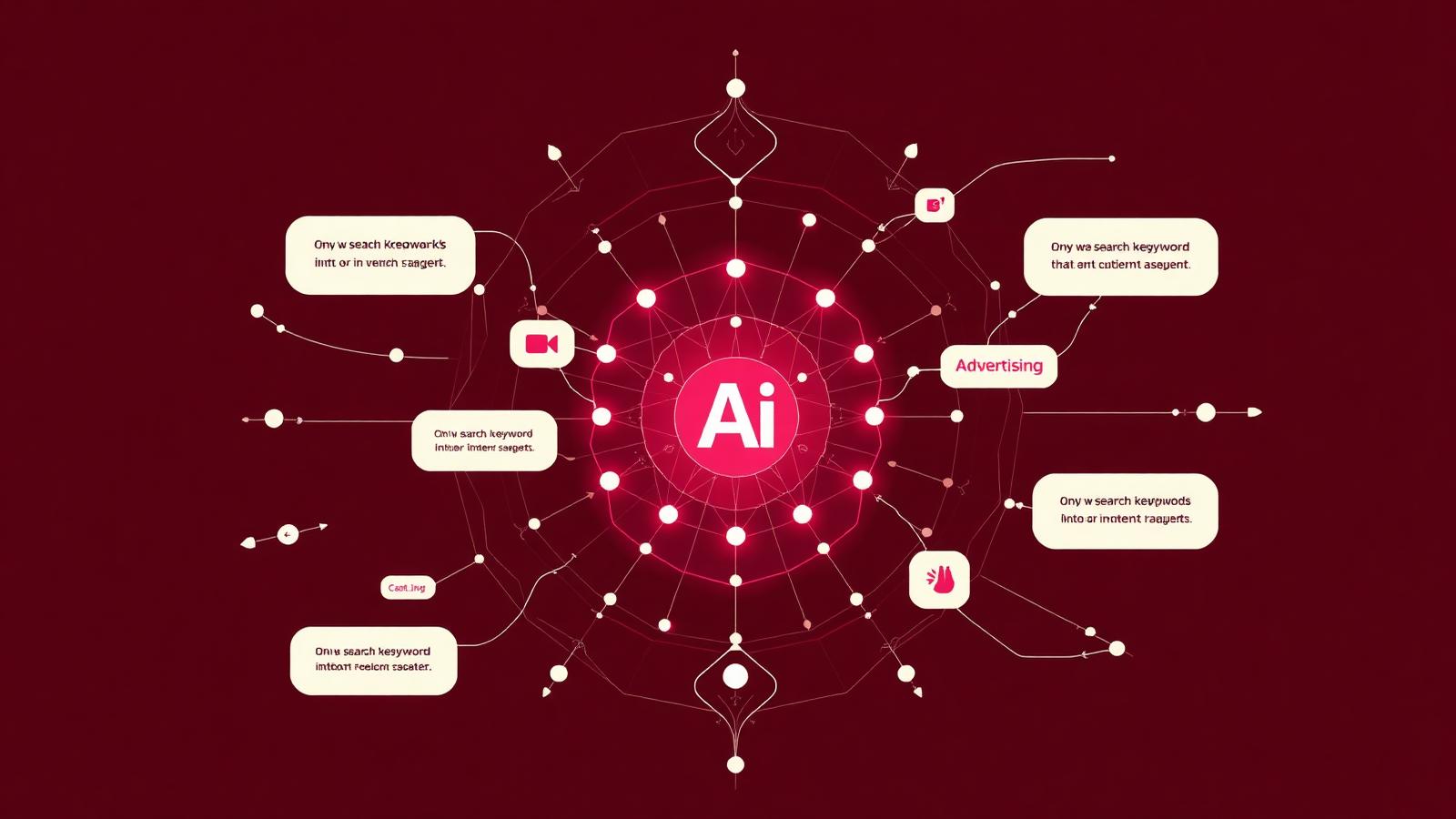
For two decades digital advertising was built around the keyword. Now people are having complete conversations with AI assistants, and advertising is moving from keywords to conversations—from targeting searches to understanding real human intent.
By HololTeck Editorial
Key takeaways
- 01Advertising is shifting from keywords to conversations—from targeting searches to understanding real human intent.
- 02AI chatbots capture deep context—profession, lifestyle, priorities, budget and use case—making recommendations far more relevant than conventional ads.
- 03AI assistants are becoming decision platforms; the moment someone tells an assistant 'I am ready to buy, but I need help choosing' is an exceptionally high-intent commercial moment.
- 04OpenAI is building an advertising and AI-commerce ecosystem, while Anthropic is keeping Claude ad-free—a battle of philosophies about user trust.
- 05Conversational advertising requires clear labeling, independent organic answers, and protection of sensitive conversations—trust is the most valuable currency.
- 06Brands must now prepare for AI-driven discovery: accurate product feeds, clear pricing, trustworthy reviews, and content AI systems can understand.
From keywords to context
A traditional search engine may receive a query such as: 'Best laptop for work.' An AI chatbot may receive something far more valuable: 'I travel frequently, work in marketing, edit short videos and need a lightweight laptop with strong battery life. My budget is QAR 5,000.'
The keyword reveals the product category. The conversation reveals the customer. It includes the user's profession, lifestyle, priorities, budget, intended use and purchasing conditions. This deeper context could allow advertising platforms to deliver recommendations that are dramatically more relevant than conventional display or search ads.
The advertiser is no longer bidding only on the word 'laptop.' The brand is competing to become the best answer for a specific person in a specific situation.
Chatbots are becoming decision platforms
Search engines help people find information. AI assistants increasingly help people make decisions. Consumers can ask an AI assistant to compare products, explain differences, evaluate reviews, build travel plans, recommend restaurants or find the right software for a company. The AI can ask follow-up questions and refine its recommendations until the user feels confident enough to act.
This creates an entirely new advertising environment. The most valuable moment may no longer be when someone searches for a product. It may be when that person tells an AI assistant: 'I am ready to buy, but I need help choosing.' That is an exceptionally high-intent commercial moment.
OpenAI has already started testing ads in ChatGPT and now offers an Ads Manager through which businesses can create campaigns. Its approach places clearly labeled sponsored results separately from the assistant's organic response. OpenAI is also developing conversational product discovery and shopping experiences that connect merchants with users while they are actively considering purchases.
A new advertising model
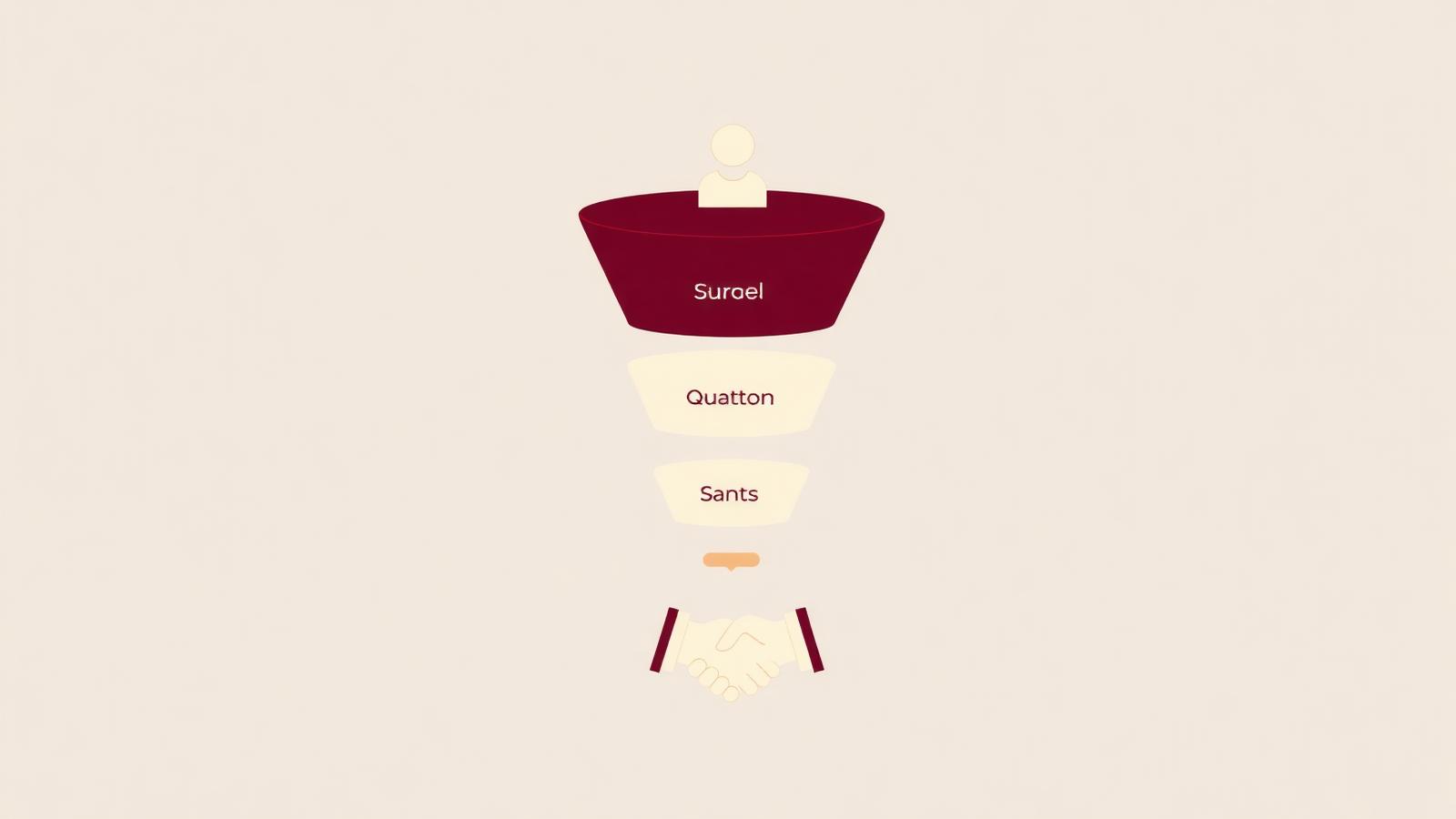
AI advertising could develop beyond the traditional cost-per-click model. Future campaigns may be organized around user interests and intentions, problems the customer wants to solve, lifestyle and situational context, product suitability, stage of the buying journey, conversation-driven recommendations, and completed actions or purchases.
Instead of targeting 'people who searched for hotels in Doha,' a hospitality brand could reach someone who says: 'I am visiting Doha with my family for three days. I want a quiet luxury hotel near the sea, with activities for children and easy access to the city.' That is not merely a keyword. It is a complete customer brief.
The AI can understand the request, compare suitable options and introduce a relevant sponsored offer without forcing the user to browse through dozens of unrelated advertisements.
The new race is also a battle of philosophies
The AI companies are not all following the same advertising strategy. OpenAI is actively building an advertising and AI-commerce ecosystem. ChatGPT can already help users discover, compare and, in some markets, purchase products during a conversation. This positions OpenAI to compete for part of the commercial attention historically controlled by search engines, marketplaces and social platforms.
Anthropic, however, has chosen a different direction. The company announced that Claude will remain ad-free, arguing that advertising inside conversations could conflict with the assistant's responsibility to act in the user's interest.
Therefore, the competition is not simply about which company can sell more advertisements. It is also about which business model users will trust: Will people prefer a free or lower-cost assistant supported by transparent advertising? Or will they choose a paid, ad-free assistant designed to avoid commercial influence? This difference may define the next stage of the AI industry.

Trust will be the most valuable currency
Conversational advertising is powerful, but it is also sensitive. When an AI recommends a product, users may treat that recommendation as informed advice rather than a conventional advertisement. If commercial influence is hidden, manipulative or poorly labeled, trust can disappear very quickly.
Successful AI advertising will therefore require clear boundaries: sponsored placements must be visibly labeled, organic answers must remain independent, sensitive conversations must be protected, users must understand why an advertisement appeared, personal information must not be exploited irresponsibly, and advertisers must not be able to purchase the AI's opinion.
The winning platform will not necessarily be the one that displays the most ads. It will be the one that creates the most useful commercial experience without damaging user trust.
What this means for businesses
Businesses have spent years optimizing their websites for search engines. Now they must also prepare for AI-driven discovery. In this new environment, brands will need accurate product feeds, clear pricing, trustworthy reviews, detailed service information and content that AI systems can understand. Being visible will not be enough. A business must be relevant to the customer's actual circumstances.
Traditional SEO asks: 'How do we rank for this keyword?' AI-era marketing asks: 'Why should an intelligent assistant recommend our business for this customer's specific need?' That is a much more demanding—and potentially more valuable—question.
The next great shift in attention
Advertising has always followed attention. It moved from newspapers to radio, from television to search engines, and from websites to social media. Now attention is moving again—this time toward AI conversations.
The future of advertising may not be a page filled with banners or ten sponsored links above a search result. It may be one intelligent, contextual and clearly labeled recommendation delivered at exactly the moment a person needs it.
Keywords helped advertisers understand what people were searching for. AI conversations may help them understand what people are actually trying to achieve. That is why conversational advertising is not simply another advertising format. It could represent the beginning of an entirely new era in the global battle for human attention.
References & further reading
Authoritative research and industry sources that informed this article.
- [1]The Business of Brand Collaborations
Harvard Business Review
- [2]Why Scarcity Drives Demand and Premium Pricing
Harvard Business Review
- [3]Global Licensing Industry Report
Licensing International
- [4]
- [5]The Economics of Entertainment Licensing
McKinsey & Company
Explore further
Frequently asked
How is AI advertising different from traditional search advertising?
Traditional search targets keywords that reveal a product category. AI advertising uses full conversations that reveal the customer's profession, lifestyle, priorities, budget and use case, allowing recommendations far more relevant than keyword-based ads.
Are AI assistants already showing ads?
Yes. OpenAI has started testing ads in ChatGPT and offers an Ads Manager for businesses, with clearly labeled sponsored results kept separate from organic responses. Anthropic, by contrast, is keeping Claude ad-free.
What is an example of conversational advertising?
Instead of bidding on 'hotels in Doha,' a hospitality brand could reach a user who tells an assistant: 'I am visiting Doha with my family for three days and want a quiet luxury hotel near the sea with activities for children.' The AI compares suitable options and introduces a relevant sponsored offer—effectively a complete customer brief, not just a keyword.
Why does trust matter so much in AI advertising?
Users may treat an AI recommendation as informed advice rather than an ad. If commercial influence is hidden, manipulative or poorly labeled, trust disappears quickly. Winning platforms will label sponsored placements clearly and keep organic answers independent.
What should businesses do to prepare for AI-driven discovery?
Build accurate product feeds, clear pricing, trustworthy reviews, detailed service information, and content AI systems can understand. The key question shifts from 'how do we rank for this keyword?' to 'why should an AI assistant recommend us for this customer's specific need?'