
Spider-Man's Genius Marketing Strategy: How Collaborations Turn a Movie into a Commercial Empire
Spider-Man is not only one of the world's most recognizable superheroes—he is also one of entertainment's most powerful marketing platforms. Every release is marketed as an ecosystem, not a movie, turning one character into a commercial empire across fashion, gaming, food and technology.
By HololTeck Editorial
Key takeaways
- 01Spider-Man is marketed as an ecosystem, not a single movie — one IP becomes a commercial platform spanning fashion, gaming, food, technology and retail.
- 02Multi-generational appeal lets one partnership reach children, teenagers and adults through a single character.
- 03Collaborations distribute the campaign: every partner becomes a media channel that carries the launch.
- 04Limited-edition scarcity turns ordinary products into cultural objects, protecting the brand from overexposure while commanding premium prices.
- 05Licensing, merchandise and activations can approach or exceed theatrical retail activity — the film is only one revenue channel.
- 06The core business lesson: treat intellectual property as a platform, and every partner as a distribution channel.
One character, multiple audiences
Spider-Man has a rare ability to connect with several generations simultaneously. Children see an exciting superhero. Teenagers relate to Peter Parker's struggles with identity and responsibility. Adults feel nostalgia for the comics, animated series and earlier movies.
This gives brands access to a remarkably broad audience through one partnership. A toy company can target children, a fashion label can appeal to collectors and young adults, while a technology company can build a campaign around innovation, agility and connectivity. Every collaboration tells a different story without weakening the central Spider-Man identity.
Collaborations that create cultural moments
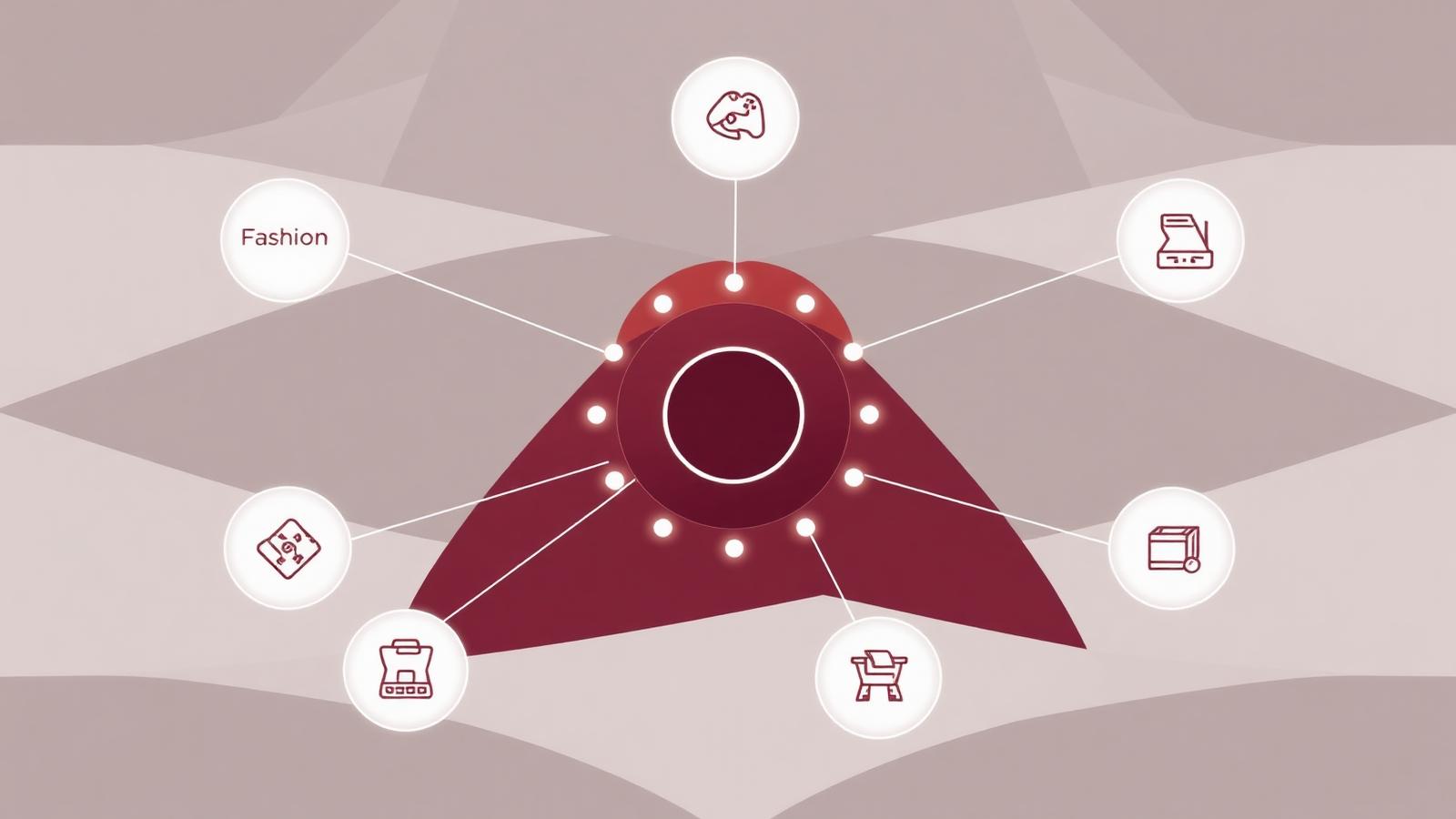
Spider-Man's partnerships extend far beyond traditional movie merchandise. The franchise has collaborated across major commercial categories, including fashion and sneakers, toys and collectibles, gaming and electronics, food and beverage, automotive brands, theme parks and live experiences, retail displays and pop-up activations, and digital content and social media campaigns.
These partnerships allow Spider-Man to appear everywhere consumers already spend their attention and money. A limited-edition sneaker is not simply merchandise—it becomes a collectible. A branded meal is not only food—it becomes part of the movie experience. A video-game collaboration allows audiences to become Spider-Man instead of merely watching him. Each activation transforms passive viewers into active participants.

Turning marketing into revenue
Most movies spend money on advertising. Spider-Man's strategy allows the franchise to generate revenue through the marketing itself. Brands pay for licensing rights, retailers purchase branded inventory, companies fund promotional activations, and consumers buy products connected to the character. The campaign therefore does more than sell cinema tickets—it creates an additional commercial economy around the movie.
Across a major franchise's lifetime, licensing, merchandise, games and promotional partnerships can produce billions of dollars in retail sales. In the strongest periods, the commercial activity surrounding Spider-Man can approach—or potentially surpass—the value created by theatrical releases.
However, box-office revenue and merchandise retail sales are different financial measurements. Box-office totals are shared among cinemas, distributors and studios, while retail sales include the full consumer price of licensed products. The exact profit reaching the rights holders is considerably smaller. Even with this distinction, the strategic lesson remains powerful: the movie is only one revenue channel.
Every partner becomes a media channel
Collaborations also solve one of marketing's biggest challenges: distribution. When Spider-Man partners with a global fashion, food, automotive or technology brand, that company promotes the collaboration through its own stores, advertising platforms, social accounts, customer databases and media relationships.
Instead of one studio paying to reach the entire market, dozens of commercial partners help carry the campaign. Every sneaker box becomes advertising. Every retail display becomes a movie poster. Every branded social post becomes part of the launch campaign. Every limited-edition product creates urgency and conversation. Spider-Man effectively borrows the audience, credibility and distribution network of every collaborating brand.

Scarcity keeps the brand valuable
Limited editions are another essential part of the strategy. Scarcity turns ordinary products into cultural objects. Fans do not purchase them only for their practical use; they buy them because the products represent participation in a moment.
This encourages early purchases, social sharing, collection and resale. It also allows brands to charge premium prices while protecting Spider-Man from becoming ordinary or overexposed. The strongest collaborations are therefore not random logo placements. They combine the partner's identity with Spider-Man's world to create something audiences could not receive from either brand independently.
The business lesson behind Spider-Man
Spider-Man demonstrates that intellectual property becomes far more valuable when it is treated as a platform rather than a single product. The movie creates attention. Collaborations distribute that attention. Activations convert it into participation. Licensing transforms participation into revenue. Every successful partnership then strengthens the cultural relevance of the next movie.
That is the real genius of Spider-Man's marketing strategy: the franchise does not simply promote a film—it builds a commercial universe around it. The box office may capture the headlines, but the larger business is happening everywhere Spider-Man can swing.
References & further reading
Authoritative research and industry sources that informed this article.
- [1]The Business of Brand Collaborations
Harvard Business Review
- [2]Why Scarcity Drives Demand and Premium Pricing
Harvard Business Review
- [3]Global Licensing Industry Report
Licensing International
- [4]
- [5]The Economics of Entertainment Licensing
McKinsey & Company
Explore further
Frequently asked
Why is Spider-Man considered a marketing platform rather than just a movie?
Because each release is supported by a web of collaborations across fashion, toys, gaming, food, automotive and technology. The film creates attention; the partnerships distribute and monetize it, turning one character into a commercial ecosystem.
How do brand collaborations help distribute a movie campaign?
Each partner promotes the collaboration through its own stores, advertising platforms, social accounts and customer databases. Instead of one studio paying to reach the whole market, dozens of brands help carry the message.
What role does scarcity play in Spider-Man collaborations?
Limited editions turn ordinary products into collectibles. Scarcity drives early purchases, social sharing and resale, lets brands charge premium prices, and keeps the intellectual property from feeling ordinary or overexposed.
Can merchandise and licensing revenue really rival box office?
Across a major franchise, licensing, games and promotional partnerships can approach or exceed theatrical retail activity. However, box-office totals and retail sales are measured differently; the profit reaching rights holders is considerably smaller than gross retail figures.
What is the core business lesson from Spider-Man's strategy?
Intellectual property is far more valuable when treated as a platform than as a single product. The film creates attention, collaborations distribute it, activations convert it to participation, and licensing turns participation into revenue.